
From SurvivalTo Self-Reliance
Transforming lives through sustainable enterprise development
Transforming Lives
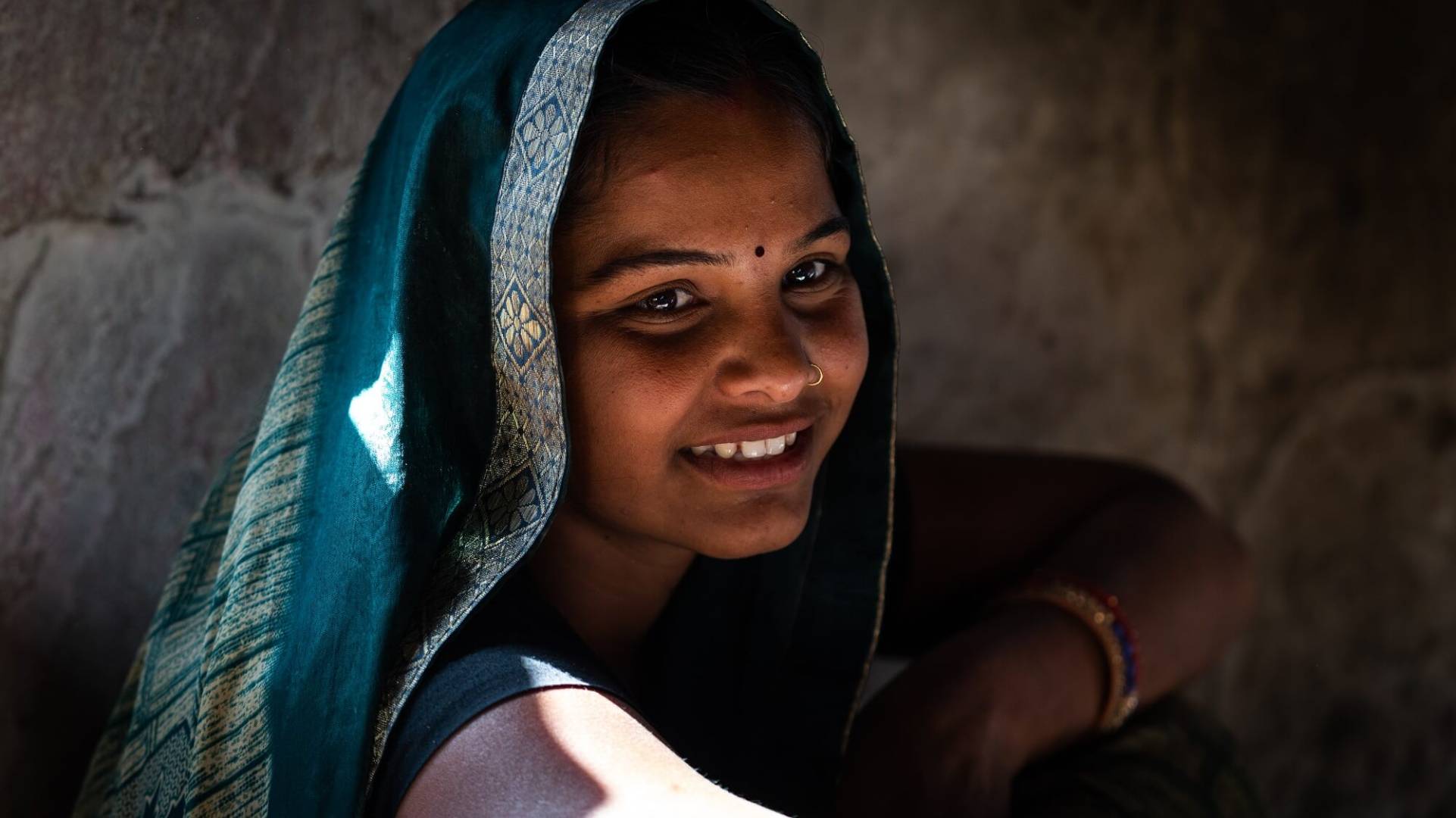
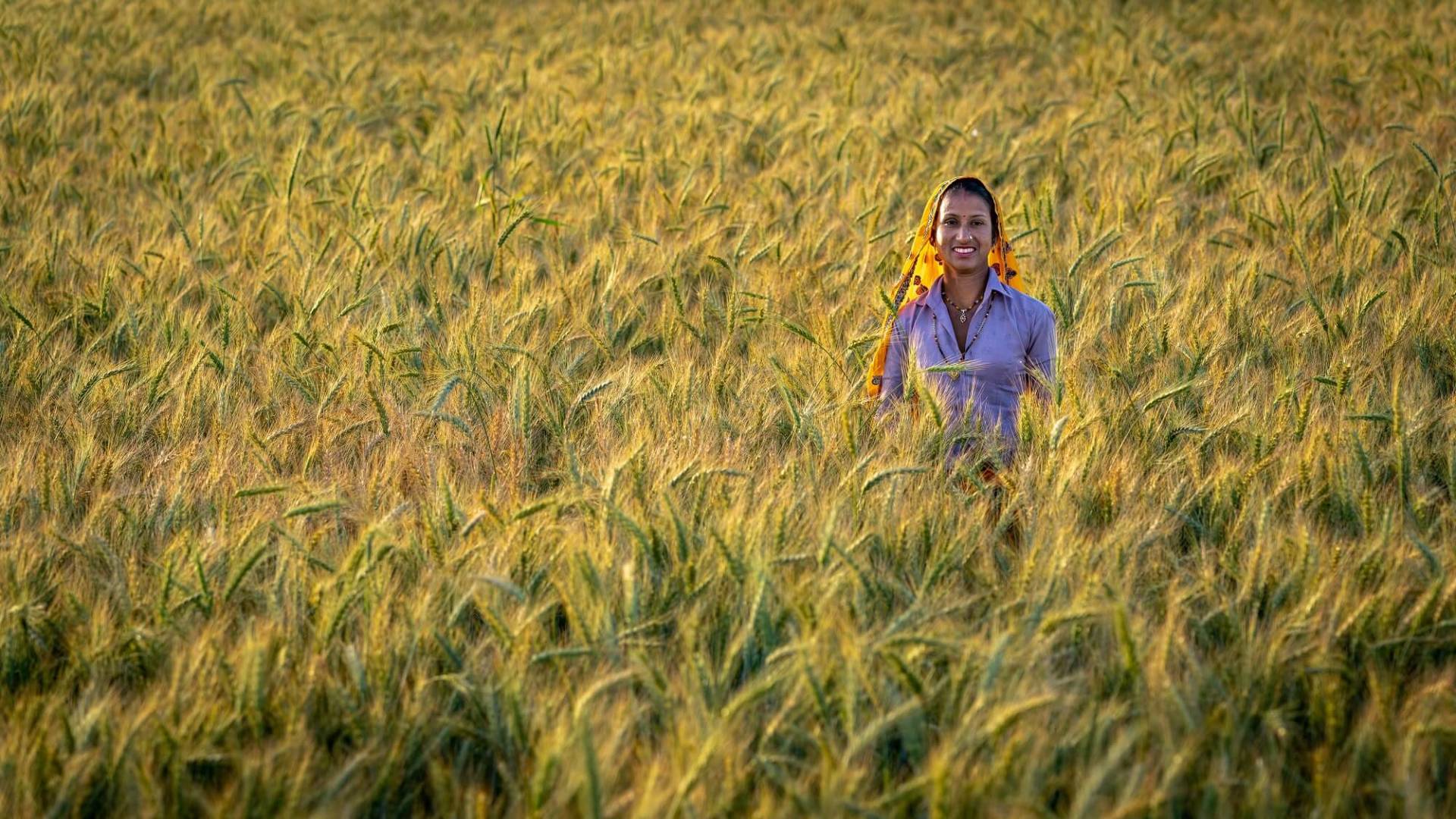
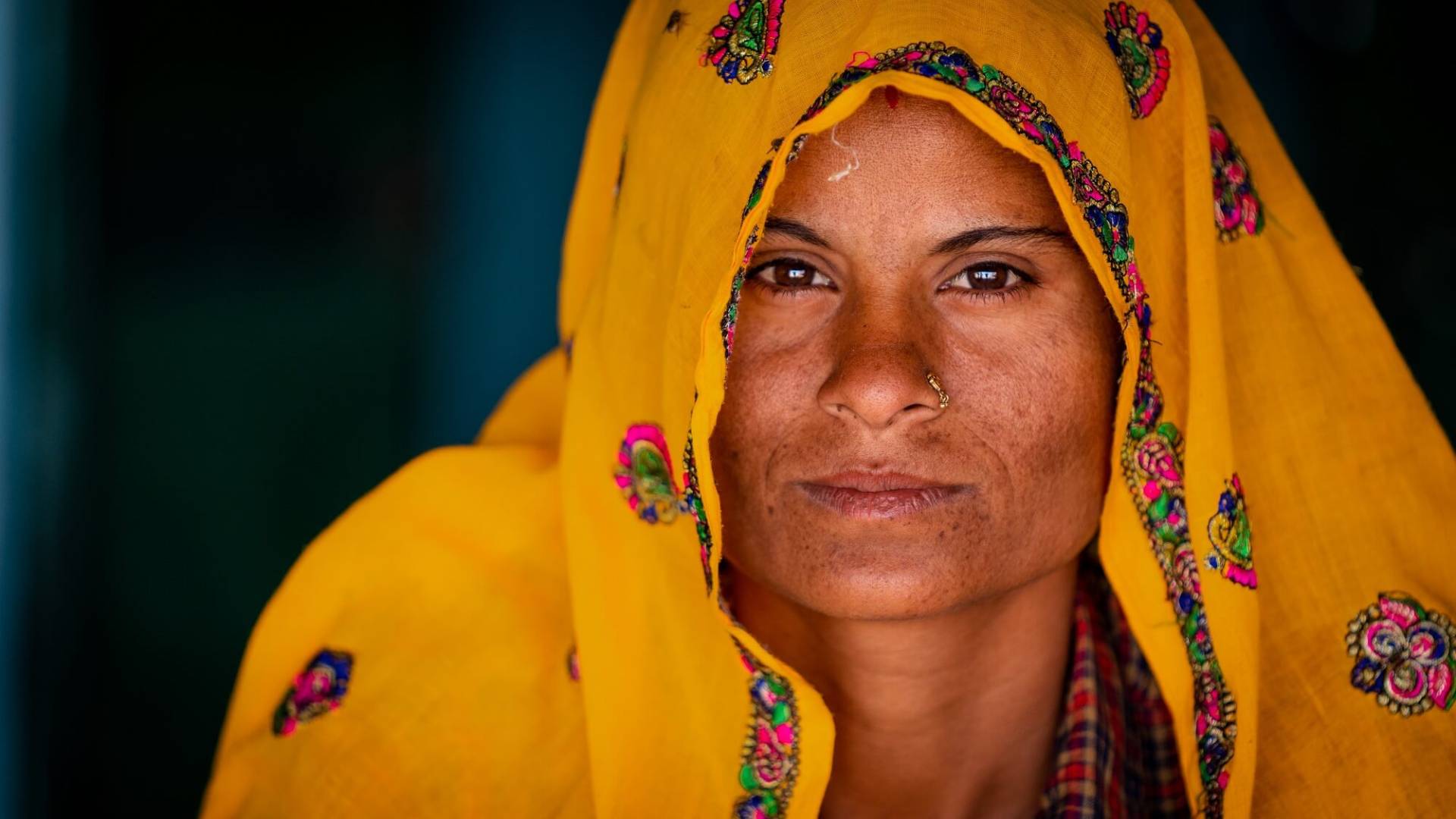
For over three decades, we've been empowering women to become entrepreneurs, creating lasting change in communities across India.
Creating sustainable businesses across rural India
Equipped with skills for the future economy
Families transformed through economic empowerment
Average increase in annual household income
Every number represents a story of transformation
Read their stories→Our Programs
Four pillars of intervention creating comprehensive impact across rural communities
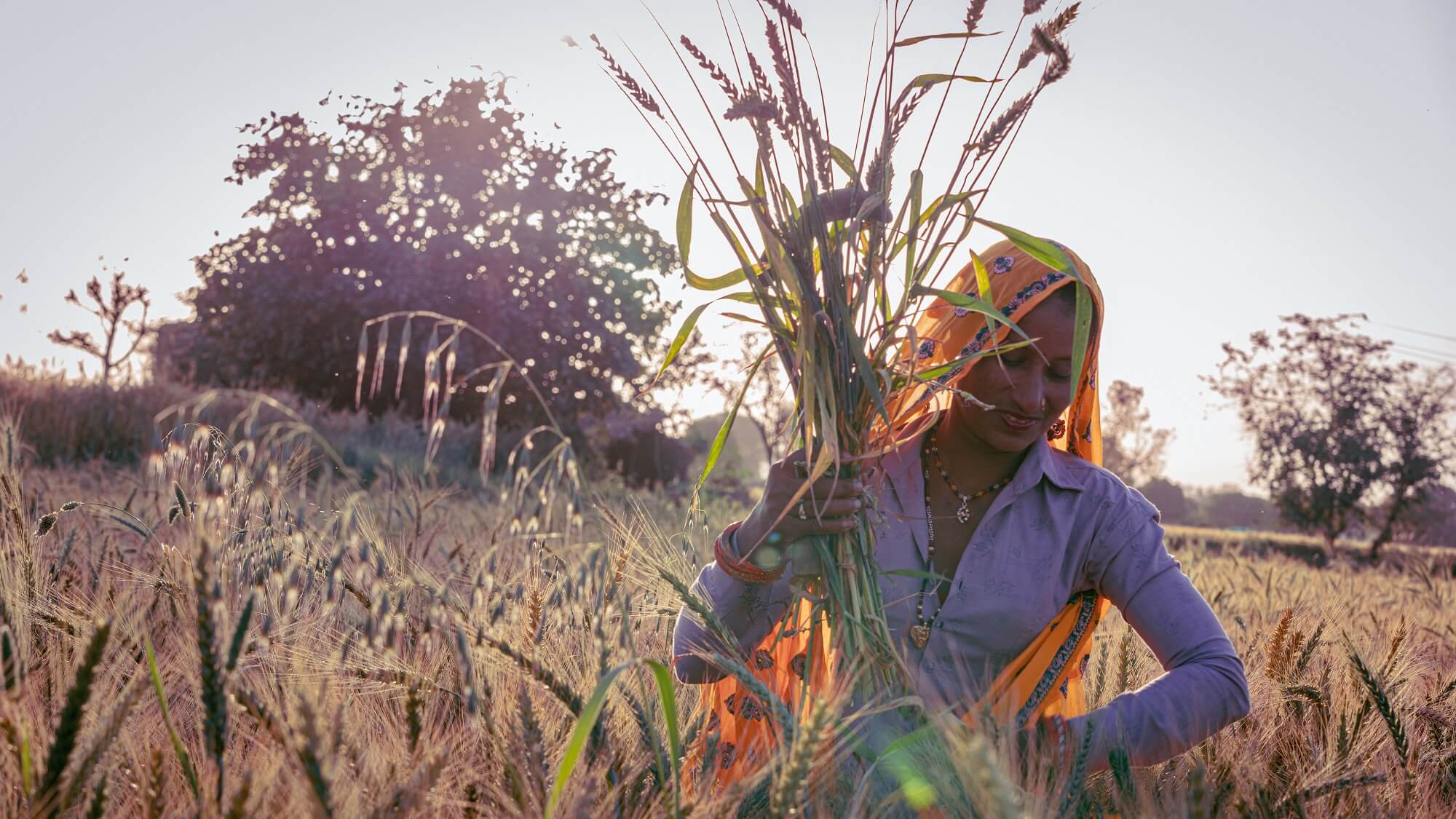
Udyogini's reach across India
Current states are shown in red and gold. Past presence states use muted brown to show earlier programme locations where Udyogini is not currently active.
Boundary data derived from DataMeet India community state boundaries, shared under CC BY 4.0.
Why We Do This
Three decades of grassroots work has taught us what really holds women back and what truly empowers them.
Time poverty
Women have 3-4 hours a day to spend on economic activities
Distress selling
Women travel to markets twice a week to sell produce in distress to meet urgent cash needs
Untapped potential
Forest produce and other rural products often need better processing, packaging, and market access to earn premium prices
Power of aggregation
Mobilizing women for aggregation and trading significantly improves their bargaining power and incomes
Lack of agency
Women often have limited control over prices and bargaining power for their produce
Limited control over incomes
Women contribute substantial labor to farms and enterprises, but often have limited access to the income earned from that work
Limited risk capacity
Many women rely on wage labor because entrepreneurial risk is difficult to absorb without capital, support, or safety nets
Women as change agents
Women often reinvest income in children, families, and communities, helping reduce intergenerational poverty.
"Economic empowerment is not just about income; it's about dignity, choice, and the power to shape one's own future."
Be Part of the Change
There are many ways to contribute to women's economic empowerment. Choose what resonates with you.
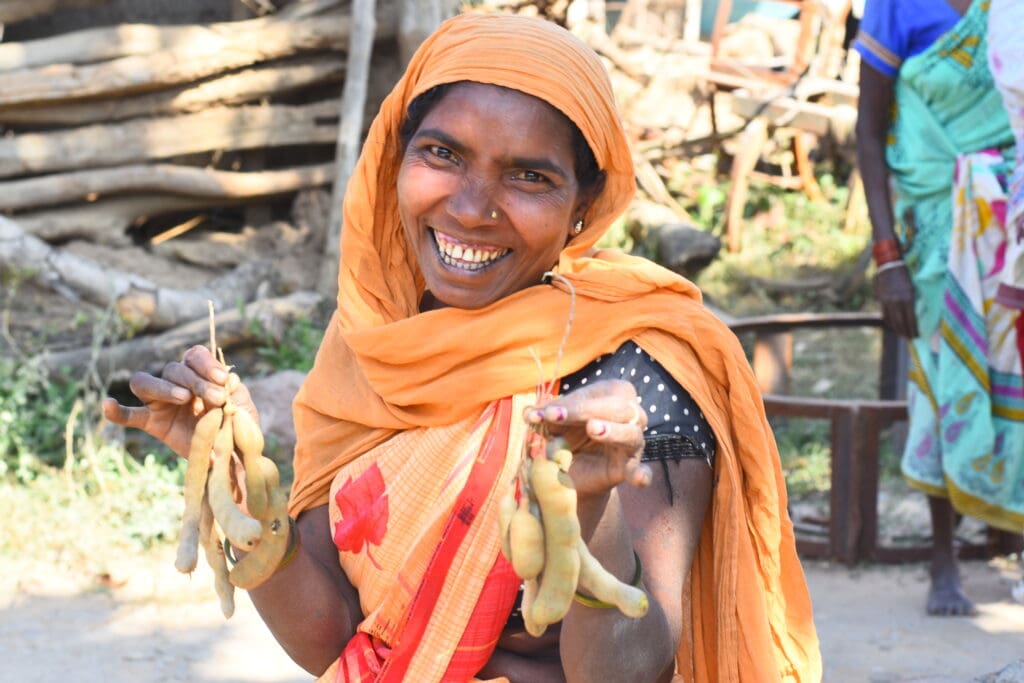
Partner With Us
Co-create impactful programs that align with your CSR goals and create measurable social change.
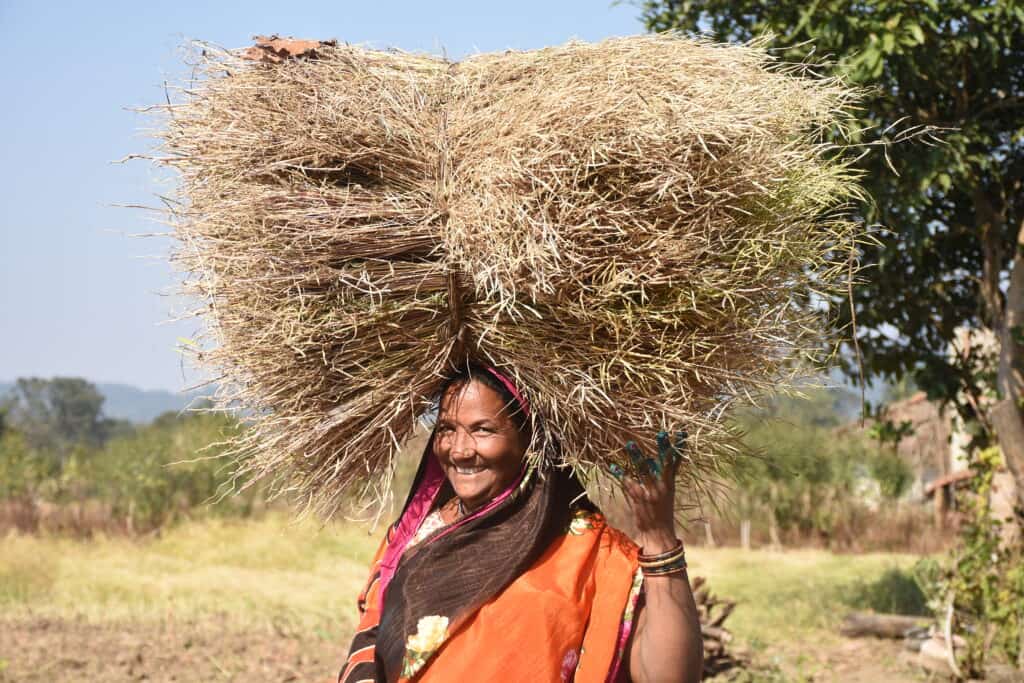
Champion Change
Use your voice and influence to amplify the stories of women entrepreneurs breaking barriers.
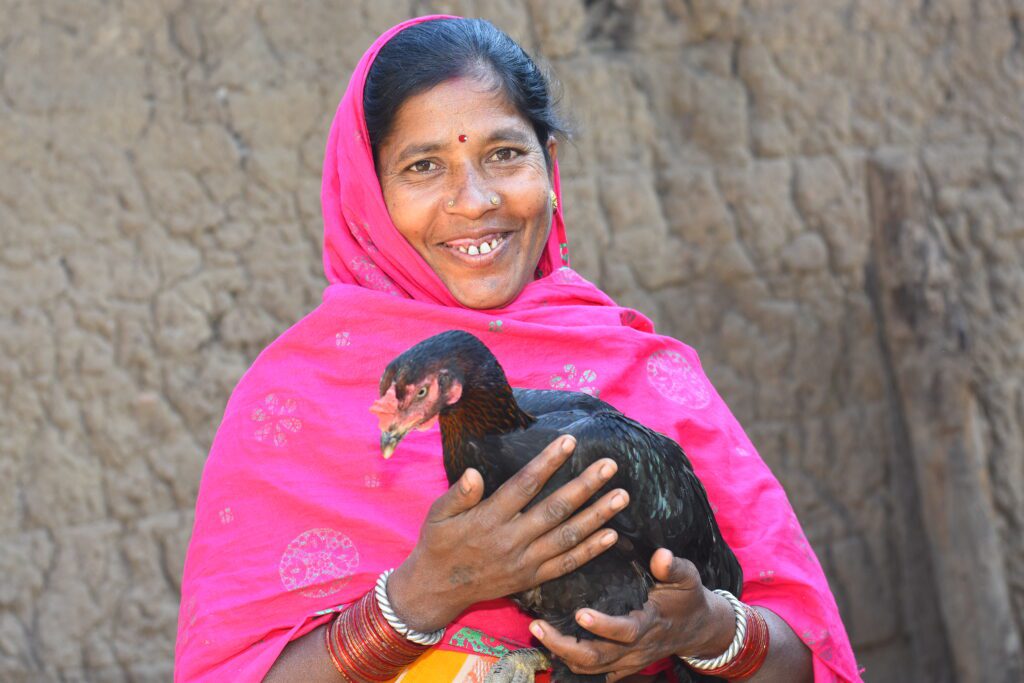
Support Us
Your contribution directly funds training, mentorship, and resources for aspiring women entrepreneurs.
Current and previous donor partners


