From Fire to Fertility: The Quiet Revolution Restoring Our Soil

Posted on

A Cycle of Convenience

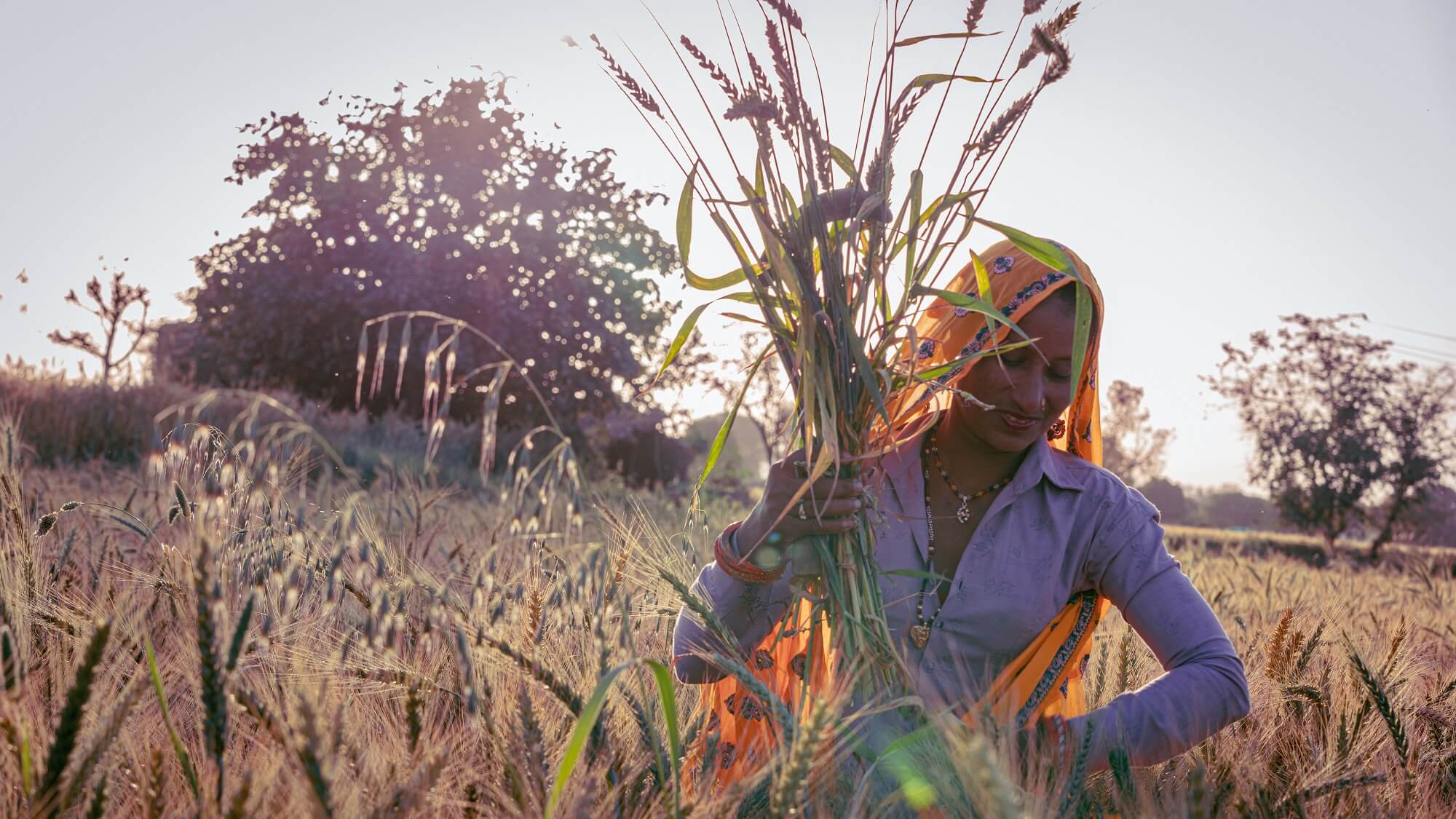
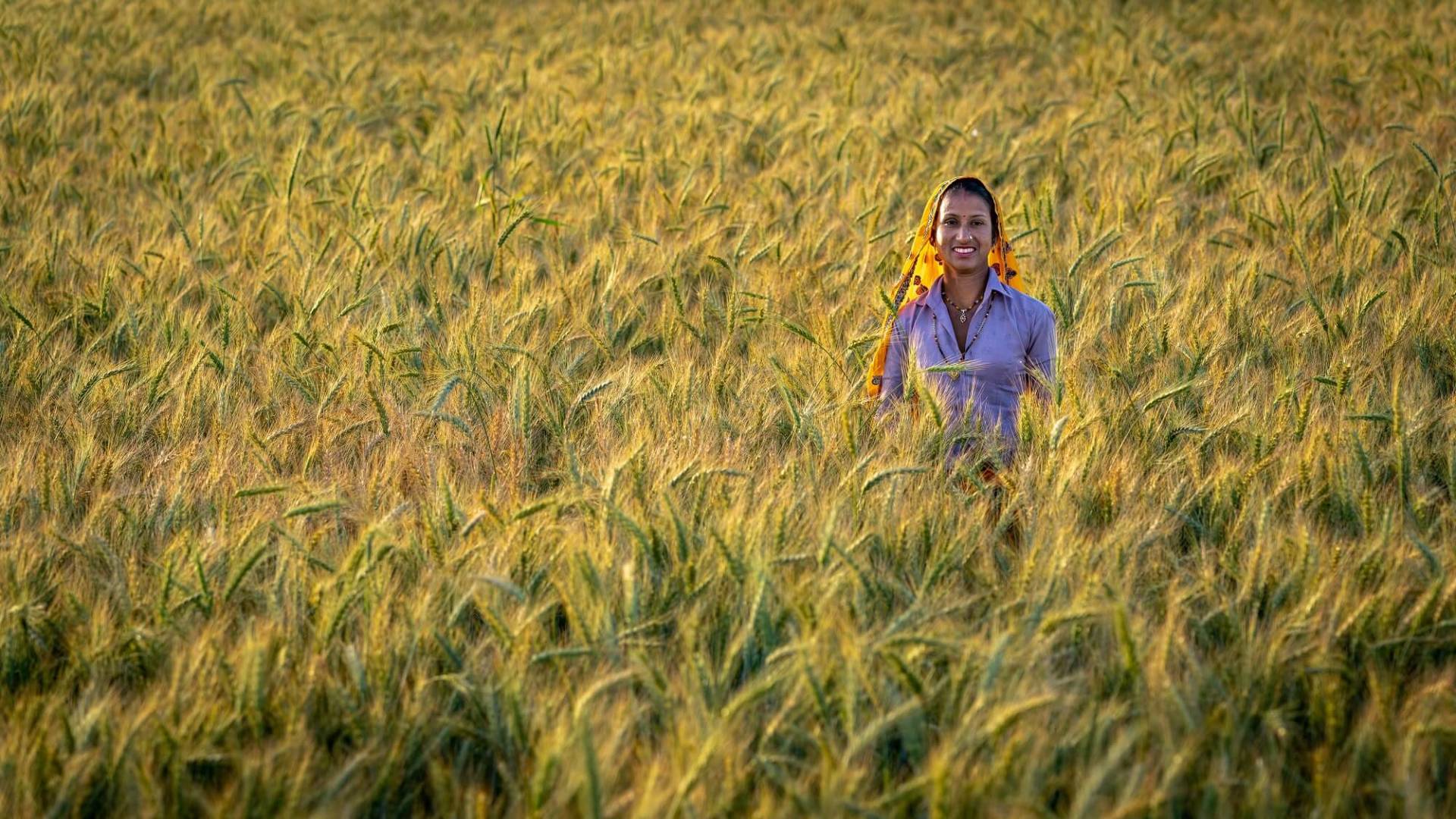
In the vast farmlands of Sonkatch Block in Madhya Pradesh, the end of each wheat harvest has traditionally been marked by a troubling ritual. Farmers, aiming to prepare their fields for the next crop cycle quickly, routinely burn the leftover wheat stubble, a practice widely known as Parali.

For generations, this method was seen as the fastest and most affordable way to clear the fields. The fires swept across the land, clearing residue in hours, but the consequences, though long ignored, were severe. Stubble burning hardened the soil, destroyed beneficial microorganisms, stripped away organic matter, and significantly reduced soil fertility. The air was filled with dense smoke, releasing pollutants that not only harmed the environment but also posed serious health risks to local communities.

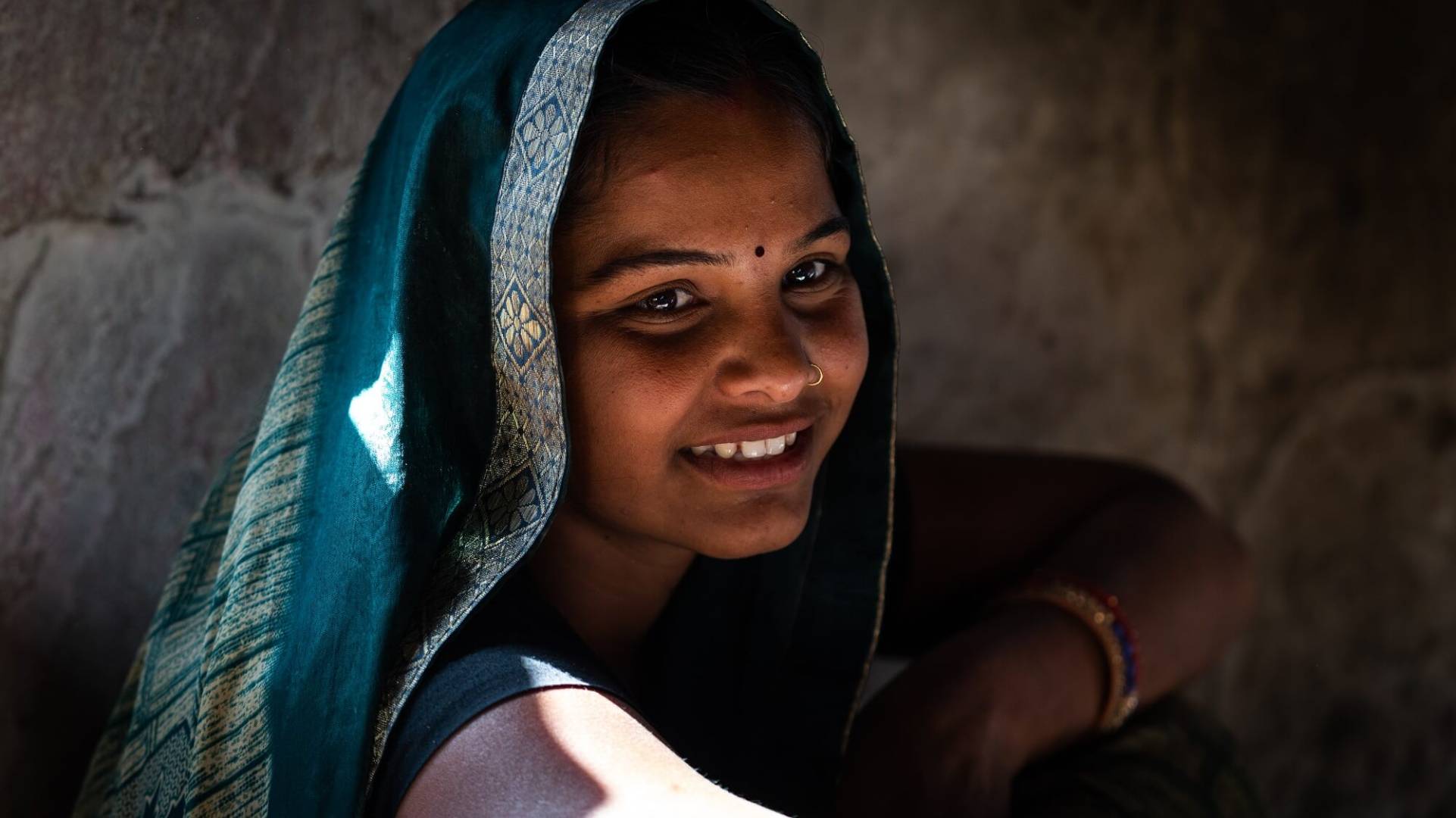
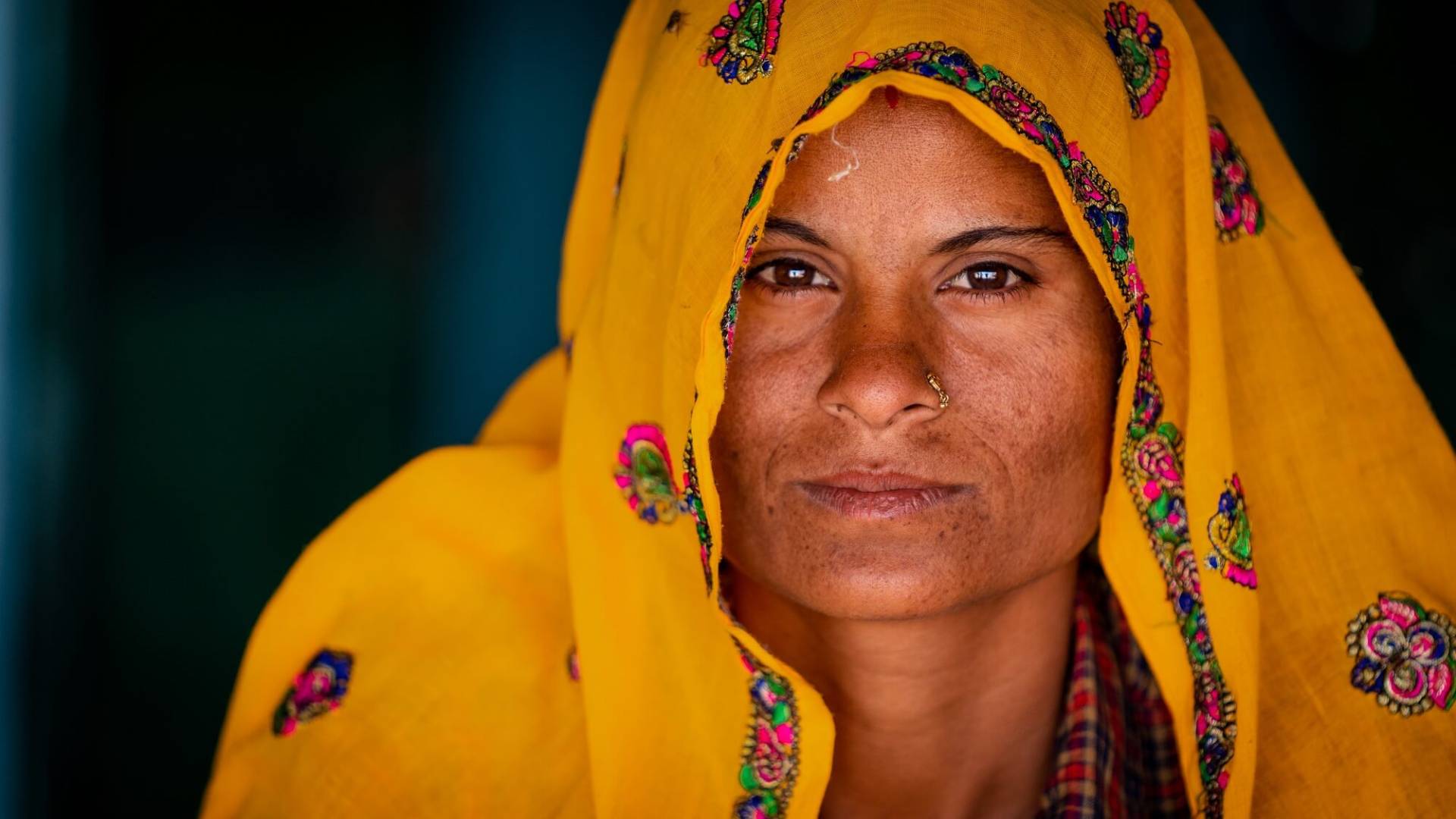
For years, Lalita Bai, a farmer from Garhkhajuriya village, followed this same pattern. Burning the stubble was the only method she knew. It was common practice, and few questioned it. The idea that there could be another way seemed distant and impractical.

Introducing the BioDecomposer

This began to change when Udyogini introduced a bio-decomposer solution in Sonkatch and the neighbouring Seoni block. The decomposer, developed by ICAR Pusa and marketed by IFFCO, was not a complex machine but a simple microbial solution packaged in an affordable 20ml bottle, costing just Rs. 45.

Unlike traditional methods, the decomposer could naturally break down wheat stubble directly in the soil. The process promised to complete decomposition within 45 days, eliminating the need for burning and transforming the stubble into nutrient-rich compost. The solution had already shown success in Punjab and Haryana, but this was the first time it was being introduced to the farmers of Madhya Pradesh.

Udyogini led awareness drives, field demonstrations, and multiple training sessions to help farmers understand the decomposer’s benefits and correct usage. They provided consistent field support and made the solution readily available through Bio Resource Centres in the region.

Lalita Bai’s Turning Point

Lalita Bai attended one of these training sessions out of curiosity. Though sceptical at first, she was intrigued by the possibility of farming in a way that could preserve her soil and protect the air her family breathed.

With Udyogini’s guidance, Lalita applied the decomposer on a small portion of her land. It was not an easy decision—abandoning a method passed down through generations required courage and a willingness to trust in something new.

The results soon became evident. Lalita noticed that the soil retained its moisture and texture. The absence of fire not only preserved the soil’s structure but also protected the microorganisms that were essential for crop health. Importantly, she no longer had to rely heavily on chemical fertilisers, which helped reduce her farming costs.

What started as a cautious experiment quickly became her preferred method.

Building Confidence and Leading Change

Lalita’s journey did not stop at personal success. As the benefits of the bio-decomposer became visible on her farm, she became an advocate for change in her village. Other farmers, who initially hesitated, began to see her results and grew interested in trying the decomposer themselves.

Her story became a local reference point—a practical example that proved sustainable farming was not just possible but achievable.

Lalita Bai’s leadership extended beyond technique. She demonstrated that shifting from harmful traditional practices to eco-friendly solutions could lead to long-term benefits for the land and the farming community.

The Broader Impact

Lalita’s success is part of a larger movement supported by Udyogini. Across Sonkatch and Seoni, around 600 farmers have been trained to adopt the bio-decomposer. The initiative focuses on long-term soil health, cost reduction, and climate-conscious farming practices.

The compost produced from decomposing crop residue has begun to replace the need for synthetic fertilisers, offering a sustainable, locally managed solution that improves productivity while reducing environmental harm.

Through Udyogini’s sustained field support, awareness campaigns, training, and follow-ups, farmers are steadily moving away from stubble burning and adopting practices that nurture rather than exhaust the land.

A Lasting Shift

This transition was more than just adopting a new farming method for Lalita Bai. It was about reclaiming a respectful, sustainable relationship with her land. The seasonal fires that once seemed necessary were replaced by natural processes that enriched the soil.

Her success story is not an isolated case but a catalyst for change. Lalita’s decision inspires more farmers to explore sustainable alternatives and contributes to a broader effort to reduce air pollution, improve soil health, and strengthen rural livelihoods.

Today, Lalita Bai is a sustainable farming champion in her community. Her journey is a testament to what can be achieved when farmers are empowered with the proper knowledge, tools, and support.


Spread the love

Leave a Reply

Your email address will not be published. Required fields are marked *